



A seller can hear that housing is headed for a crash, that buyers are about to come back, and that their own home needs a price cut—all in the same week. I understand why that gets frustrating. If every explanation leads somewhere different, how do you decide which advice deserves your attention?
I would start with the evidence around your listing. A broad prediction can help frame a conversation. It cannot explain, by itself, why buyers are choosing another home over yours.

Question confidence on both sides
Two pieces from BAM prompted this discussion. Eric Simon challenges attention-driven housing pessimism. Byron Lazine offers a framework for responding to weak listing activity. Both raise useful questions about what sellers should believe and when they should act.
My addition is to question automatic optimism too. A commentator having an audience does not make a forecast wrong. An agent earning a commission does not make advice dishonest. But I want the reasoning behind either person’s confidence. What evidence would cause them to change their recommendation?
Define the homes your buyer can choose instead
For a homeowner in Houston, Austin, or DFW, I would build the comparison around the homes a realistic buyer might also consider. Location matters, along with property type, condition, price range, and the terms being offered. Nearby new construction may belong in that comparison when it competes for the same buyer.
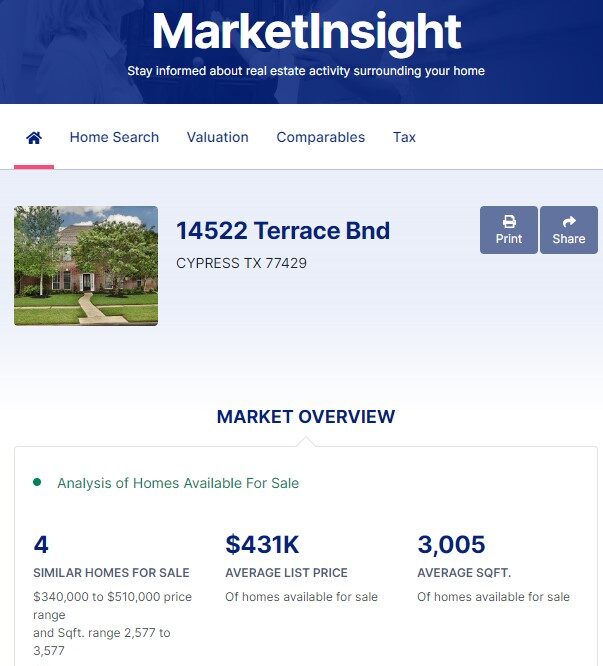
Then I would separate the homes still asking for a price from the ones attracting contracts or closing. An active listing shows what another seller hopes to receive. It does not establish that a buyer will pay it. Recent activity helps test whether your asking price makes sense against the available choices.
Few showings call for a closer look
If hardly anyone is coming through, I want to check the basics before settling on an explanation. Is the listing reaching the places buyers look? Do the photos clearly show the home? Are showing requests being accommodated? Does the asking price give buyers a reason to visit compared with their alternatives?
Those questions help distinguish problems that might otherwise get lumped together. Difficult access deserves a different conversation from a home that is easy to see but looks expensive beside its competition. A price adjustment may be appropriate, but I want to explain how I reached that conclusion.
Showings without offers deserve more than a tally
When buyers tour but do not offer, I look for a pattern. Are several people raising the same concern? Does the house feel different in person from what the marketing suggested? Are buyers choosing homes with a different condition, layout, price, or set of terms?
Feedback is useful, but I would not give every comment the same weight. One person’s taste is different from a repeated objection that also fits what the competition is showing us. I want to connect the comments with behavior. What buyers actually choose matters alongside what they tell us after a showing.
Use a review point without turning it into an automatic rule
Lazine’s 10-10-0 framework treats ten days without showings or ten showings without offers as pricing signals. He expressly allows the numbers to be adapted to the market. I like agreeing on a review point before emotions get tangled up in a listing that has been sitting.
I would use that review to explain what has happened and assess the choices. The count is a useful prompt for a conversation. It cannot tell me which concern matters most, how strong the competition is, or what adjustment fits this particular home.
Make the next step specific
If exposure and access are adequate, recurring feedback is consistent, and competing homes offer buyers more for the money, I think a price adjustment deserves serious consideration. I want its size tied to how the home needs to compete. I would explain what the change is intended to accomplish without promising an offer or a particular result.
If the better first step is fixing presentation, improving access, or reconsidering terms, that recommendation needs an explanation too. So does waiting. I would want a clear reason, a review date, and agreement on what evidence would justify changing course.
That is part of the representation sellers should expect
A well-run listing business can reduce unnecessary overhead while retaining careful pricing advice, regular reviews, negotiation, and accountability. Those responsibilities belong in the service conversation whether the fee is a percentage or a different arrangement. A seller deserves to understand what the broker is doing with the information.
The practical lesson is to agree on the review process before listing. When advice changes, ask what changed in the evidence. A price cut should have a reason behind it. Continuing at the same price should have one too.
Sources discussed:
https://nowbam.com/11-real-estate-scripts-for-the-conversations-agents-avoid-most