



AI home search is moving beyond the familiar set of filters for price, bedrooms, bathrooms, and location. Housing-technology executives are predicting that AI agents may eventually help consumers describe what they want in ordinary language, compare properties, recommend professionals, schedule showings, and connect the search to financing.
That does not mean AI agents already dominate the way people buy homes. It is a forecast from executives whose companies have a stake in where the technology goes. But the prediction is worth paying attention to because it points toward a practical change for sellers: a listing may increasingly be evaluated by software before a buyer gives it personal attention.

What Happens Before the Showing Matters
Sellers tend to think about marketing in human terms. Does the lead photo look good? Does the description make the home sound appealing? Will a buyer feel something when walking through the front door?
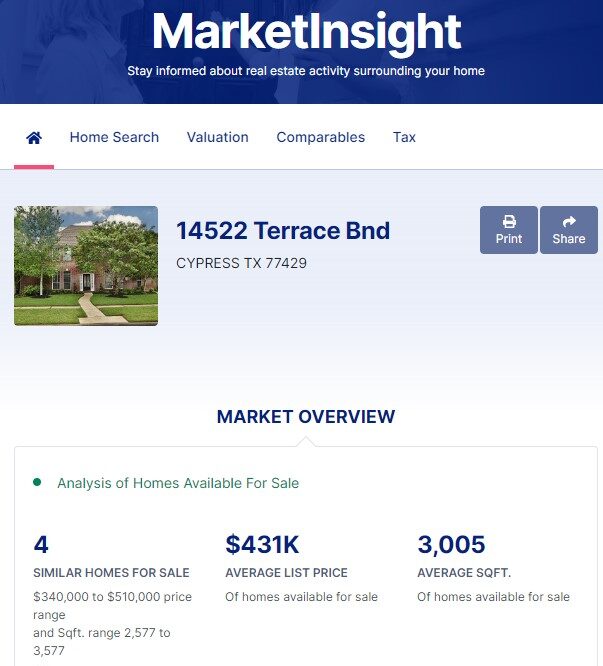
Those questions still matter. But an AI-assisted search may first compare the hard information around the property: location, price, features, square footage, condition signals, neighborhood data, and how the home fits the buyer’s stated goals. If that information is incomplete, inconsistent, or poorly presented, the property may never reach the buyer’s shortlist.
This makes the fundamentals more important, not less. Listing data needs to be accurate. Photography needs to make the property easy to understand. Pricing needs to reflect the real competition. The home needs a clear positioning story that works across the MLS, major portals, and whatever new search tools buyers adopt.
AI Can Reduce Work Without Replacing Judgment
A lot of real estate work follows repeatable processes. Scheduling, reminders, document organization, initial research, marketing workflows, and routine communication can all become faster with better systems. AI will likely reduce some of that administrative drag.
That is good for consumers. Sellers should not have to pay for inefficiency simply because the industry has always operated a certain way.
But it is a mistake to jump from “AI can automate routine work” to “AI can replace professional representation.” Selling a home still involves decisions that do not fit neatly into an automated workflow.
A pricing strategy needs more than a list of nearby sales. A broker has to understand why one property sold quickly while another sat, how builders and competing listings are affecting buyers, and whether the market is changing inside a specific neighborhood or price range. Houston, Austin, and DFW are not interchangeable. Even within one metro, conditions can change sharply from one subdivision or property type to another.
Negotiation also requires judgment. The highest offer is not always the strongest offer. Financing, appraisal exposure, option periods, repair requests, timing, and the buyer’s ability to perform all affect the seller’s risk. AI can organize the facts, but an accountable professional still needs to advise the seller and own the recommendation.
Technology Raises the Agent-Value Question
The real pressure from AI is not that every agent becomes unnecessary. The pressure is that basic access and administration become harder to defend as premium value.
If a professional’s service is mostly opening doors, entering information, sending reminders, and moving forms from one person to another, technology will make that service more difficult to justify at an automatic percentage of the sale price.
Good agents may become more valuable. Their contribution is not just access to listings or forms. It is judgment, strategy, communication, negotiation, local knowledge, risk management, and accountability. Better technology gives them more time to focus on that work.
For sellers, this is not a reason to attack agents or assume the lowest fee is automatically the best choice. Some agents are worth every penny. The point is that homeowners should be able to see what they are paying for and why it matters.
What Texas Sellers Should Ask
A seller does not need to become an AI expert. The useful questions are much more practical:
How will my property be structured and distributed so modern search tools can understand it?
How will the pricing strategy account for current local competition rather than broad headlines?
Which parts of the listing process are automated or systemized?
Which decisions will be handled by an experienced broker?
Who is accountable when buyer feedback, an inspection, an appraisal, or market conditions require the strategy to change?
How does the total fee relate to the actual services and expertise being provided?
These questions help separate technology used as a marketing slogan from technology used to run a better business.
A Leaner Model Should Keep the Work That Matters
A lower fee should not mean a seller is left alone. A well-designed lean listing model should use technology to reduce repetitive administration and outdated overhead while preserving the parts of representation that protect the homeowner.
That includes MLS exposure, accurate pricing work, professional presentation, offer analysis, negotiation, contract guidance, transaction management, and clear accountability.
The savings should come from a more efficient structure—not from pretending the transaction is simple or removing the professional judgment that sellers need.
The Future Is Better Tools Plus Clear Responsibility
The AI-versus-agents debate is too simplistic. AI will probably handle more search and administrative work. Experienced professionals will still be needed for the decisions where context, judgment, and responsibility matter.
For Texas homeowners, the practical lesson is straightforward. Do not choose a listing option simply because it uses AI, and do not accept an expensive process simply because it is traditional. Look for efficient systems, strong market judgment, clear services, transparent pricing, and one accountable professional responsible for the outcome.
Technology raises the bar. Sellers should expect the business behind their listing to rise with it.